You are using an outdated browser. Please
upgrade your browser to improve your experience.
The Geriatric Depression and Dementia Scale (GDDS) application automates screening patients for depressive symptoms and identifying warning signs for cognitive impairment and dementia in clinical settings

GDDS
by Blake Scanlon

What is it about?
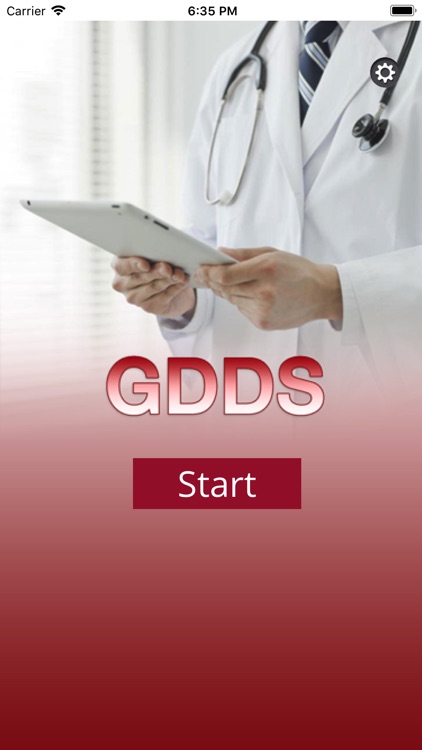
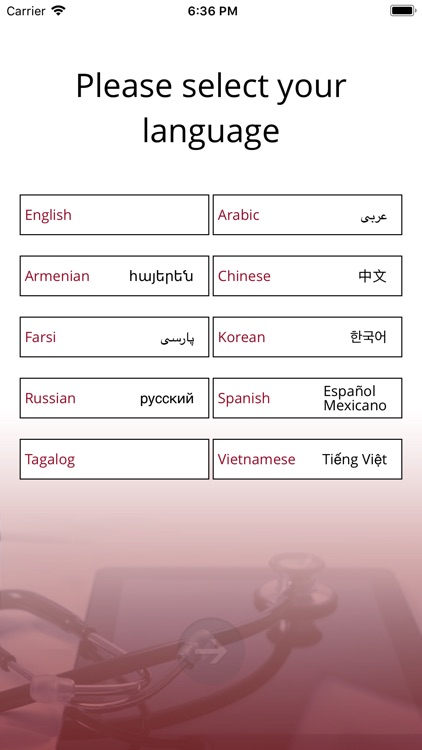
The Geriatric Depression and Dementia Scale (GDDS) application automates screening patients for depressive symptoms and identifying warning signs for cognitive impairment and dementia in clinical settings. The Scale includes the 15-item version of the Geriatric Depression Scale and pairs it with a 15-item evaluation that helps to identify dementia warning signs. The GDDS performs these tasks in 10 different languages (English, Arabic, Armenian, Chinese, Farsi, Korean, Russian, Spanish, Tagalog, and Vietnamese) and also provides spoken prompts for patients that have vision impairments or those that struggle with the written word. It was developed by faculty at Stanford University School of Medicine and the VA Palo Alto Health Care System with funding made available by the State of California.
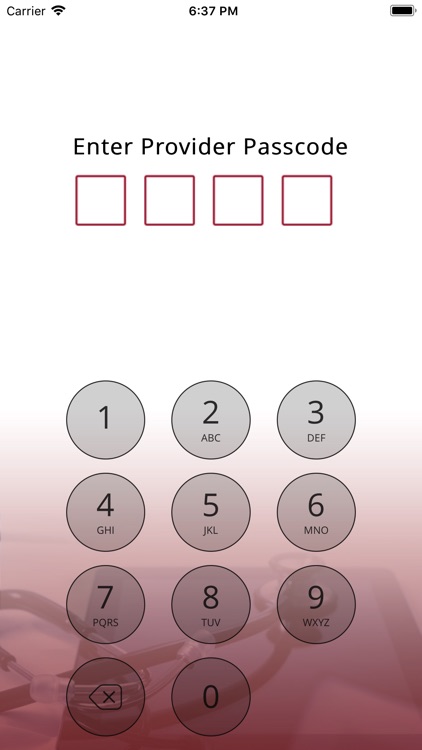
App Screenshots
App Store Description
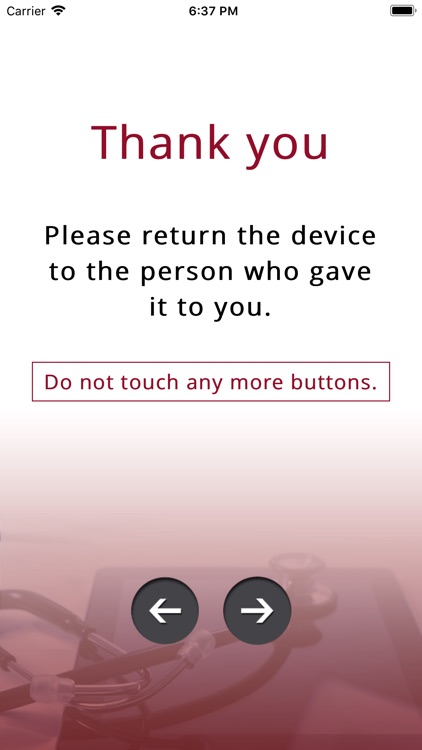
The Geriatric Depression and Dementia Scale (GDDS) application automates screening patients for depressive symptoms and identifying warning signs for cognitive impairment and dementia in clinical settings. The Scale includes the 15-item version of the Geriatric Depression Scale and pairs it with a 15-item evaluation that helps to identify dementia warning signs. The GDDS performs these tasks in 10 different languages (English, Arabic, Armenian, Chinese, Farsi, Korean, Russian, Spanish, Tagalog, and Vietnamese) and also provides spoken prompts for patients that have vision impairments or those that struggle with the written word. It was developed by faculty at Stanford University School of Medicine and the VA Palo Alto Health Care System with funding made available by the State of California.
Disclaimer:
AppAdvice does not own this application and only provides images and links contained in the iTunes Search API, to help our users find the best apps to download. If you are the developer of this app and would like your information removed, please send a request to takedown@appadvice.com and your information will be removed.
AppAdvice does not own this application and only provides images and links contained in the iTunes Search API, to help our users find the best apps to download. If you are the developer of this app and would like your information removed, please send a request to takedown@appadvice.com and your information will be removed.
